There is a scent that every Moroccan recognises with their eyes closed. The one that floats through the souks, escapes from family kitchens, and has perfumed tajines and couscous for centuries. That scent is ras el hanout.
The meaning of a name
In Arabic, ras el hanout literally means "the head of the shop" — in other words, the best the store has to offer. It is not a single spice but a blend. A learned assembly of dozens of ingredients, sometimes twenty, sometimes thirty, sometimes more. Every spice merchant, every family composes their own. No two ras el hanout blends in the world are identical.
That is the beauty of this blend: it is at once universal and deeply intimate. It carries the signature of the person who prepares it.
A metaphor for Morocco
Ras el hanout is a metaphor for Moroccan identity itself. Morocco is a country of crossroads, encounters and blending. Berbers, Arabs, Andalusians, sub-Saharan Africans, traders from East and West: all have left their mark on Moroccan culture. And all have left a spice in ras el hanout.
Cumin comes from the arid southern lands. Cinnamon tells of trade routes with Asia. Ginger evokes exchanges with the East. Saffron — the red gold of Taliouine — is the most precious treasure in the blend. Each ingredient carries a piece of history, a fragment of travel, a memory of encounter.
The spice orchestra
What makes ras el hanout unique is its harmony. Like an orchestra where every instrument has its place, each spice plays a precise role in the whole. Cumin brings earthy warmth. Cinnamon offers an enveloping sweetness. Black pepper gives character. Cardamom adds a floral, mysterious touch. Cloves bring depth.
No spice dominates. None fades away. It is a subtle, almost magical balance that only expert hands can achieve. A successful ras el hanout is a blend where you can no longer distinguish the parts, where everything becomes one.
The family recipe
In Morocco, ras el hanout is passed down like an inheritance. Grandmothers teach daughters, who teach granddaughters. Each family adjusts the proportions to its own tastes, memories and region. Some add lavender, others nutmeg, others still dried rose petals.
It is a living blend that evolves over time, adapts to seasons and moods. It is never fixed, never final. It reinvents itself with every generation while remaining true to its essence.
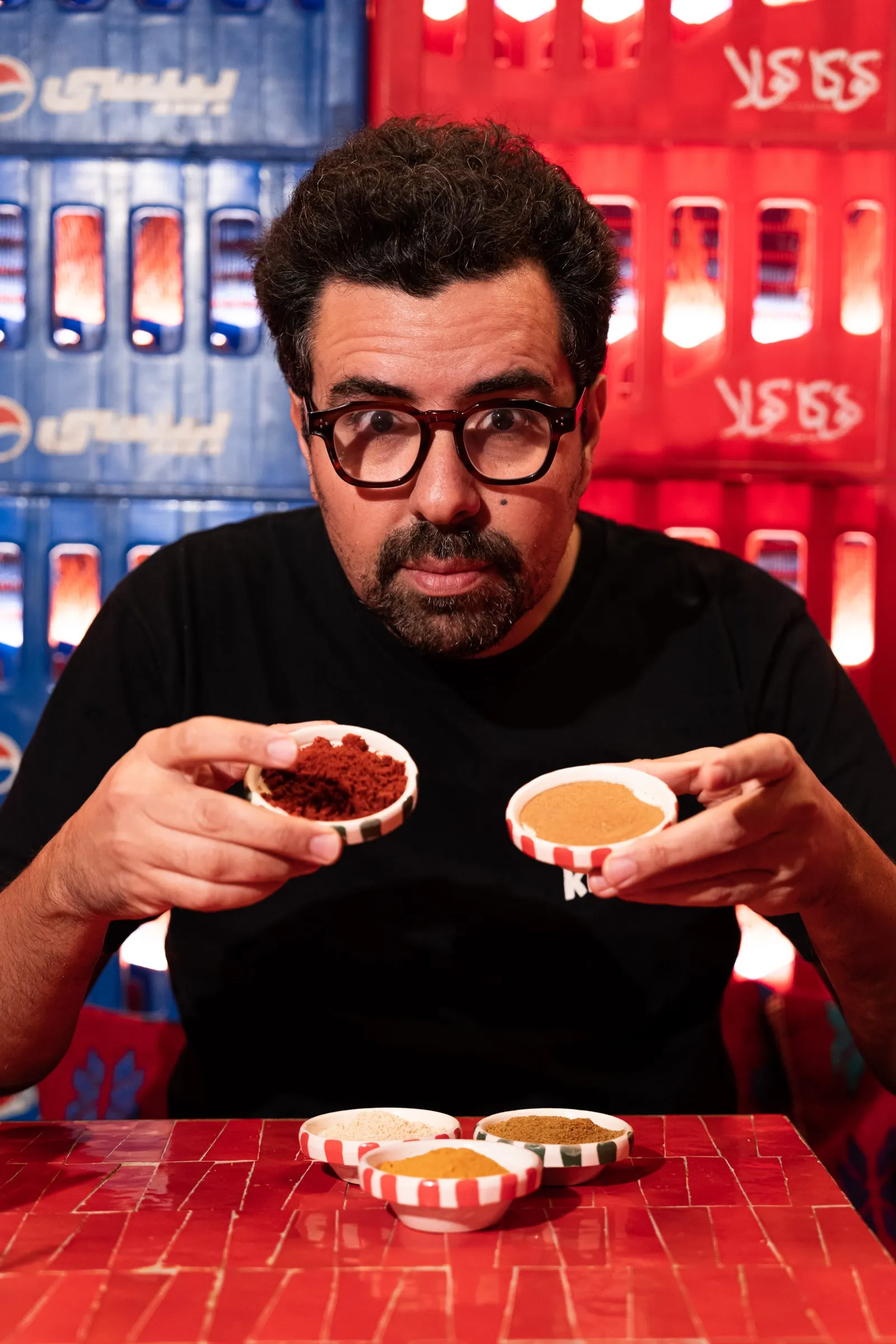
At Choukran, our ras el hanout is made according to a recipe that Chef Abdel inherited from his grandmother. Every morning, the spices are measured by hand, carefully blended, and used throughout the day. Because ras el hanout, like good bread, deserves to be fresh.
A blend that has conquered the world
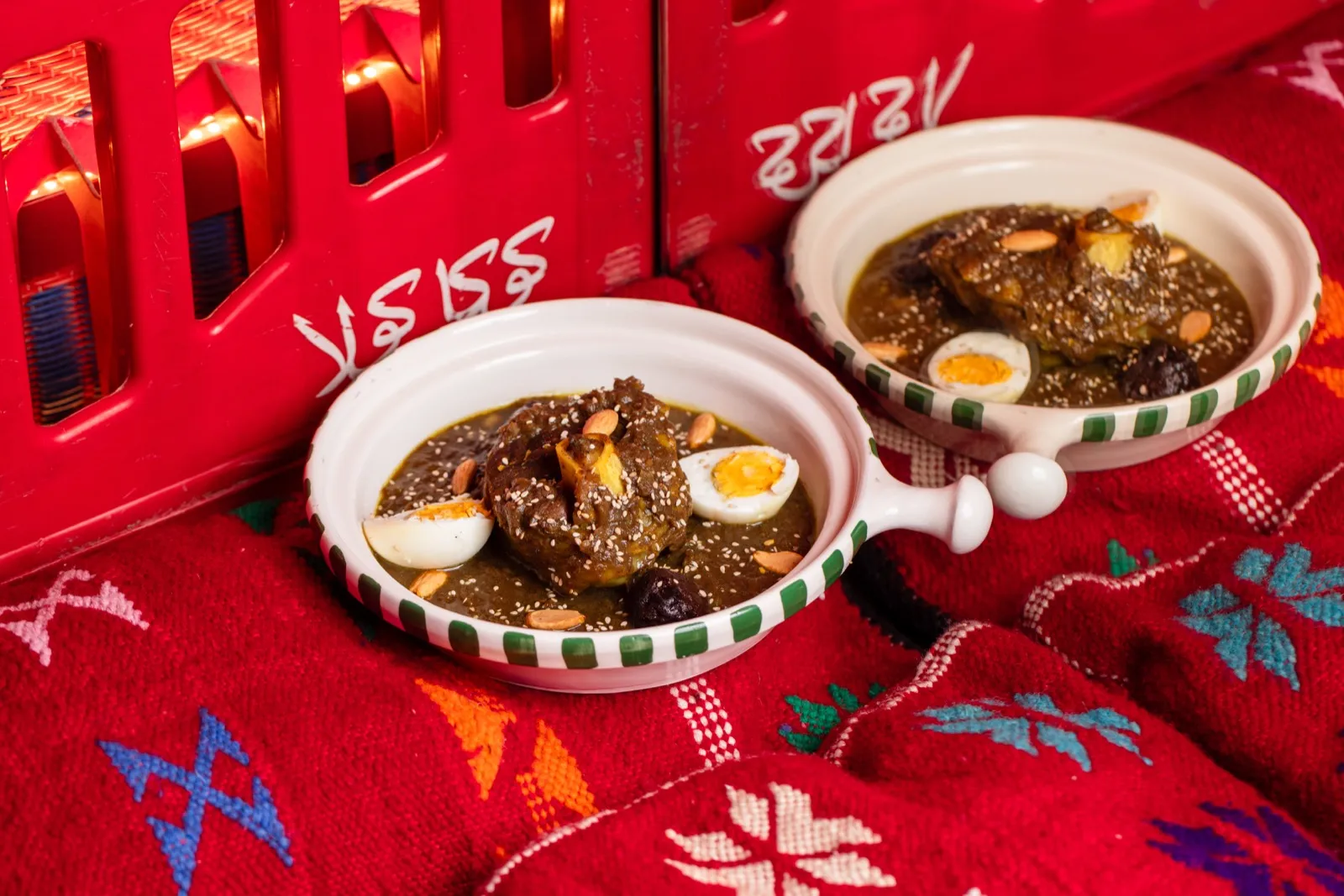
Long reserved for Moroccan kitchens, ras el hanout has crossed borders. Today it can be found in kitchens around the world, adopted by chefs seeking complexity, depth and soul in their dishes. It seasons meats, vegetables, soups, even desserts.
But regardless of the continent or the chef, ras el hanout always retains that touch of mystery, that Moroccan signature impossible to replicate. Because it is not just a spice blend. It is a piece of culture, a fragment of identity, a story told in flavours.
To breathe in ras el hanout is to breathe in all of Morocco.