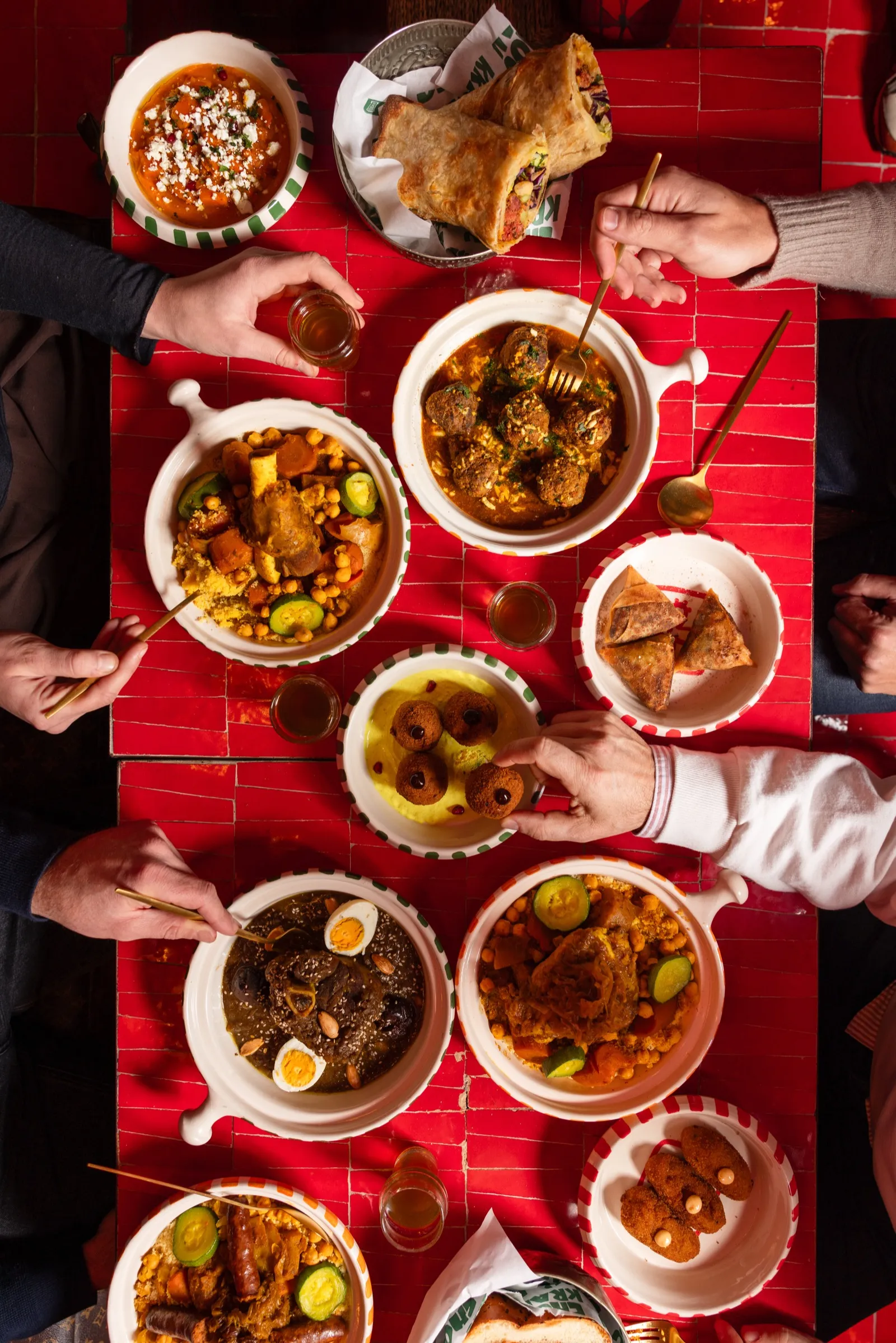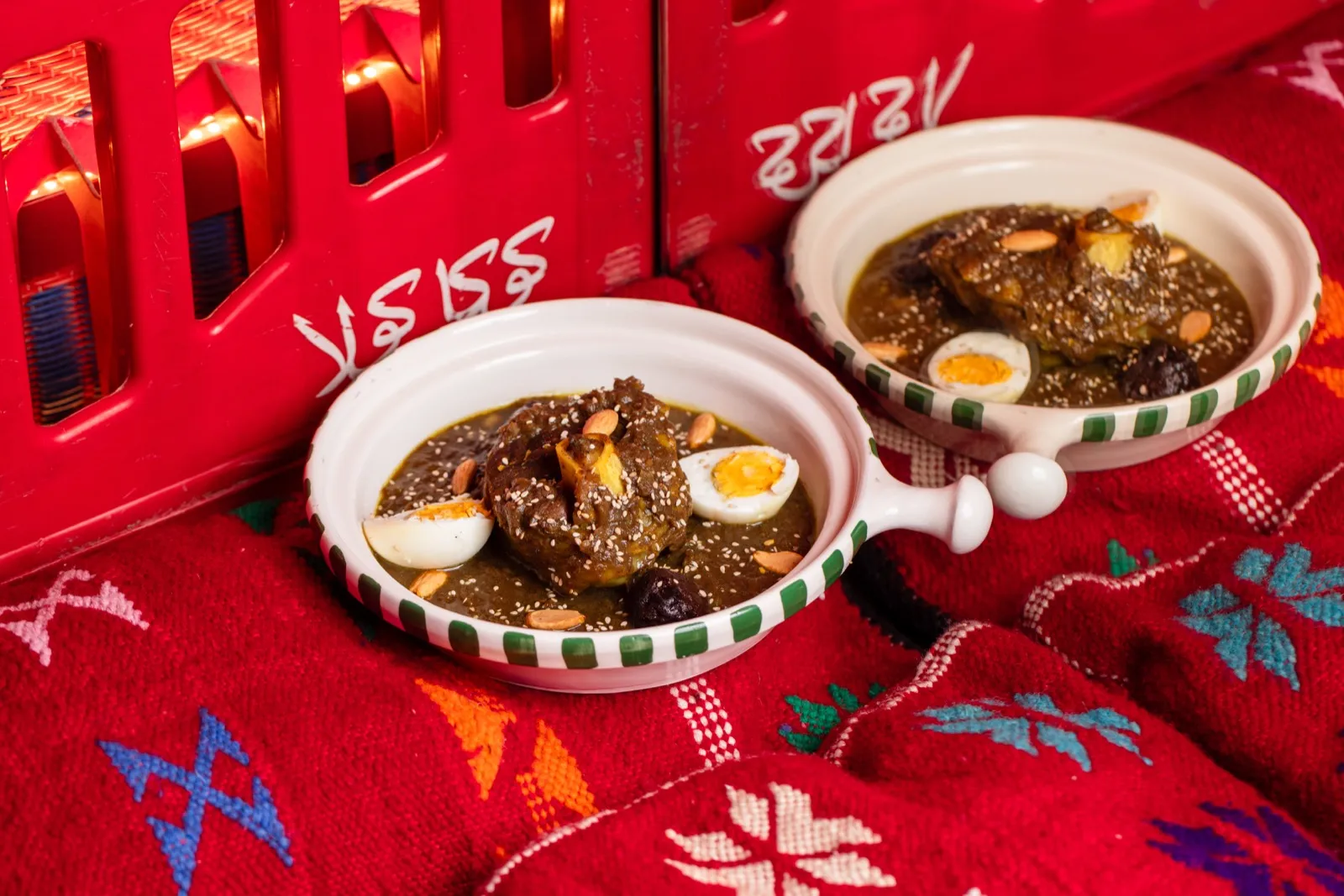
If Moroccan cuisine possesses that depth of flavour which sets it apart from almost every other gastronomy in the world, it is largely thanks to its spices. These are not simple seasonings added at the end of cooking. They are the very foundations of every dish, the elements that give Moroccan cuisine its unmistakable identity.
In Morocco, spices are not bought from a supermarket shelf. They are chosen at the neighbourhood spice shop, at the souk or in specialist stores in the medina. They are smelled, touched, discussed. Every family has its preferences, its secret blends and its habits passed down through generations.
Cumin: Morocco's signature
Cumin is probably the most widely used spice in Moroccan cuisine. Its warm, slightly earthy and instantly recognisable flavour accompanies a multitude of dishes, from tajines to salads and kémias. In Morocco, cumin is often presented at the table in a small dish alongside salt, so everyone can add it to their liking. It is an everyday spice, indispensable and ever-present.
Ginger: the gentle warmth
Ginger holds an essential place in Moroccan cuisine, both in its fresh and ground forms. It brings that gentle, subtle warmth found in many tajines, in harira and in certain pastries. Unlike other cuisines where it is used for heat, Moroccan ginger is above all a flavour enhancer, an ingredient that ties the other spices together.
Cinnamon: the spice of sweetness
Cinnamon is omnipresent in Moroccan cuisine, but not only in desserts. It appears in savoury dishes such as pastilla and certain sweet-savoury tajines where it creates a subtle balance with the savoury ingredients. This ability to move between sweet and savoury is one of the great strengths of Moroccan cuisine, and cinnamon is one of its main vehicles.
Turmeric: the colour of sunshine
Turmeric gives Moroccan dishes their beautiful golden colour that forms part of their visual identity. Beyond its hue, it offers a mild, slightly peppery flavour that perfectly complements the other spices. It is found in most broths, soups and tajines. It is often used alongside ginger to create a balanced aromatic base.
Saffron: the treasure of Taliouine
Moroccan saffron, produced mainly in the Taliouine region in the south of the country, is considered among the finest in the world. Its aroma is powerful, its colour intense and its flavour incomparable. A few threads are enough to transform a dish. It features in certain refined tajines, in the Marrakech tanjia and in festive preparations. Its high price reflects the considerable work required for harvest: approximately 150,000 crocus flowers are needed to produce a single kilogramme of saffron.
Paprika: the smoky sweetness
Paprika is used generously in Moroccan cuisine to bring colour and sweetness to preparations. Less spicy than in other culinary traditions, Moroccan paprika favours smoky and slightly sweet notes. It is found in zaalouk, taktouka and many marinades.
Ras el hanout: the king of blends
Ras el hanout is perhaps the most fascinating spice of Moroccan cuisine, even though it is not a single spice but a blend. Its name literally means "the head of the shop," referring to the best blend the spice merchant can offer. Its composition varies from merchant to merchant, from region to region, and can contain from ten to over thirty different spices. It generally includes cinnamon, ginger, turmeric, pepper, nutmeg, cardamom, rosebuds and sometimes even lavender. Each ras el hanout is unique, and Moroccan families often have a trusted spice merchant they would never change.
The art of balance
What makes Moroccan spices so special is not so much each individual spice but the way they are combined. Moroccan cuisine never seeks to let a single flavour dominate. It strives for balance, harmony, depth. This philosophy explains why a Moroccan tajine can seem both simple and incredibly complex on the palate.
At Choukran, we work our spices with the same care as Moroccan families. We source them from trusted producers, roast and grind them as needed, and measure them with the precision and generosity that each dish deserves.
FAQ
- What are the main Moroccan spices?
- Cumin, ginger, cinnamon, turmeric, saffron, paprika and ras el hanout are among the most commonly used.
- Is ras el hanout a spice?
- No, it is a traditional blend made up of several spices whose recipe varies according to the region and the spice merchant.
- Is Moroccan cuisine very spicy?
- It is above all very fragrant. Spices are used to create balance and depth rather than to bring heat.
- What role does cumin play in Moroccan cuisine?
- Cumin brings a warm and distinctive flavour found in many Moroccan recipes.
- Where is Moroccan saffron produced?
- The Taliouine region in southern Morocco is world-renowned for the quality of its saffron.