With the growing popularity of Moroccan cuisine in France and around the world, restaurants claiming to serve it have multiplied. But how do you tell a truly authentic address from one that simply borrows the codes of Moroccan cooking without respecting its spirit? The answer lies not in a single detail but in a collection of signs that, taken together, define the experience of a genuine Moroccan meal.
The welcome: the first unmistakable sign
In Morocco, receiving someone is an honour. This fundamental value of Moroccan culture is directly reflected in the way a restaurant welcomes its guests. In a true Moroccan restaurant, you are not simply shown to a table. You are received. You are made to feel that your presence matters. It is not a question of formal protocol but of a natural warmth that comes through in every interaction.
Moroccan hospitality is deeply rooted in the country's culture and is integral to its way of welcoming guests. A restaurant that reproduces this generosity in its welcome is one that truly understands Moroccan cuisine.
The tajine: a question of patience
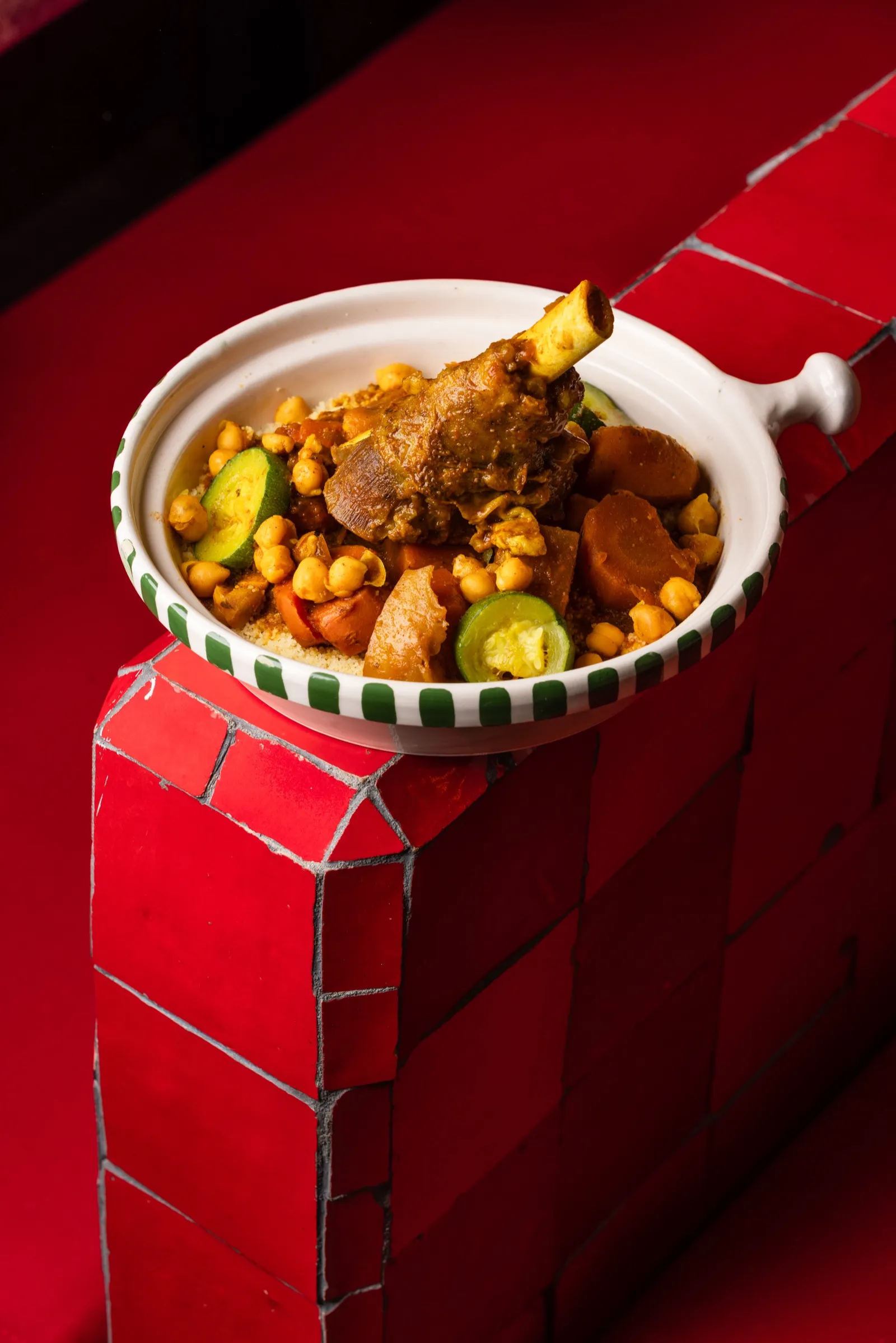
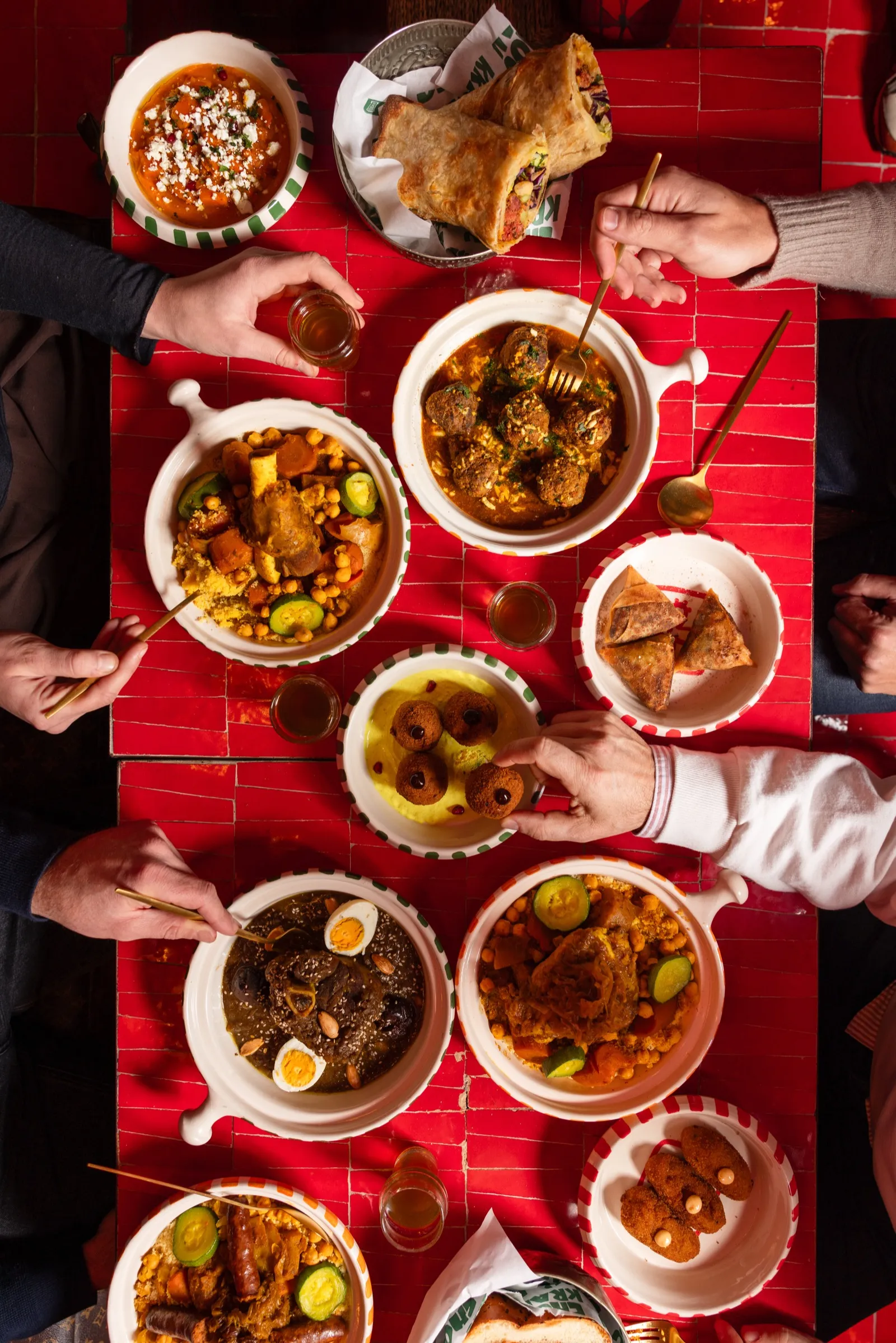
The tajine is probably the best indicator of a Moroccan restaurant's authenticity. A true tajine is prepared slowly and develops deep flavours through long, controlled cooking. The meat should be tender, the vegetables melting and the broth concentrated.
If the tajine arrives too quickly after ordering, it is often a sign that the cooking process has not been respected. Patience is an integral part of this dish. A restaurant that takes the time to prepare it properly is one that respects tradition.
The couscous: beyond the semolina
Couscous is another essential marker. In an authentic restaurant, the semolina is light and airy, the grains are separated and the broth is served separately in a tureen so everyone can moisten their couscous to taste. The vegetables are cooked in the broth and have had time to develop their flavours.
Kémias: a sign of generosity
Kémias hold a central place in Moroccan meals and symbolise sharing and conviviality. They are not simple starters. They are a valuable indicator of a restaurant's seriousness. When the kémias are generous, varied and carefully prepared, it is a strong sign that the cooking to follow will be up to standard.
Spices: balance above all
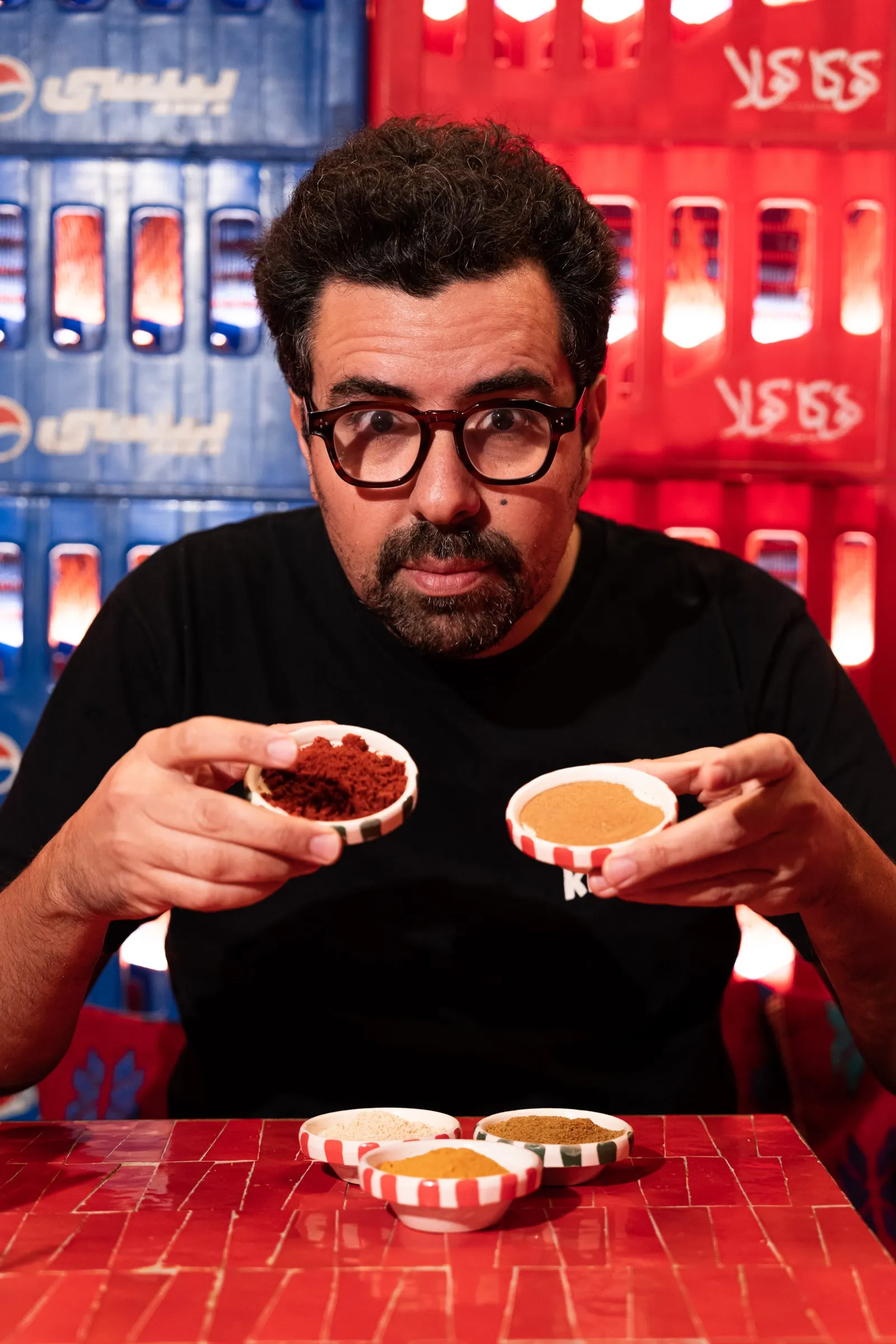
Moroccan cuisine is not a cuisine of fire. It is a cuisine of balance. Spices should be present without ever dominating. They should bring depth and complexity rather than power. A dish where the spices are perfectly measured is the hallmark of a cook who truly knows their craft.
Decor: with nuance
Decor can give clues but is not enough to recognise an authentic Moroccan restaurant. Authenticity is found above all in the cooking, the welcome and the overall experience. A restaurant can be beautifully decorated without the cuisine being up to par. Conversely, more modest establishments sometimes serve the most authentic dishes.
The clientele: a revealing mix
A good Moroccan restaurant naturally attracts a diverse clientele. You find both regulars who come to rediscover familiar flavours and newcomers discovering Moroccan cuisine for the first time. This diversity is often an excellent indicator of the quality and authenticity of the address.
The tea service: the finishing touch
Mint tea is the crowning moment of a Moroccan meal. The way it is prepared and served speaks volumes about the restaurant. Poured from a height into small decorated glasses, it represents the final act of generosity of the meal.
The feeling when you leave
The true test of a Moroccan restaurant is perhaps measured by the feeling you have when you leave. If you leave with the impression of having been welcomed rather than simply served, if the meal lasted longer than planned because you were so comfortable, if you are already thinking about when you will return — then it is probably a true Moroccan restaurant.
FAQ
- What are the essential dishes of a true Moroccan restaurant?
- Couscous, tajine, kémias, pastilla and mint tea generally feature among the great classics.
- How can you tell if a tajine is authentic?
- A true tajine is prepared slowly and develops deep flavours through long, controlled cooking.
- Are kémias important in Moroccan cuisine?
- Yes, they hold a central place in meals and symbolise sharing and conviviality.
- Is decor enough to recognise a Moroccan restaurant?
- No. Authenticity is found above all in the cooking, the welcome and the overall experience.
- Why is hospitality so important in Moroccan restaurants?
- Because it is an integral part of Moroccan culture and its way of welcoming guests.