When international rankings of the world's best cuisines are published, Moroccan cuisine consistently features among the top. This is no coincidence. Behind this recognition lies a rare combination of factors: an exceptionally rich culinary history, a refined use of spices, a deep culture of sharing and a unique ability to move people through food.
Conviviality as a foundation
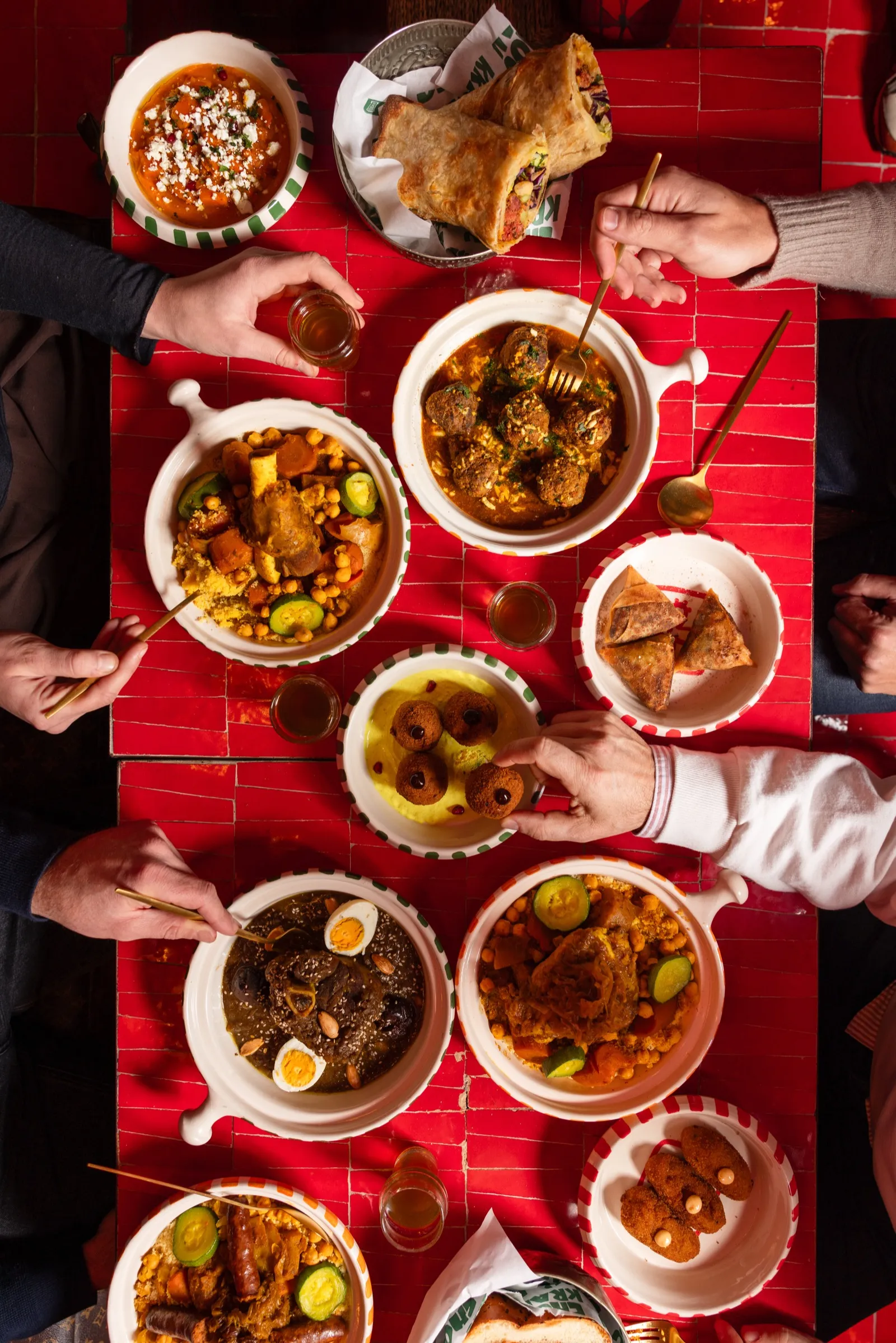
What first sets Moroccan cuisine apart is its social dimension. In Morocco, a meal is never a solitary act. It is a moment of sharing, discussion and reunion. Dishes are designed to be placed at the centre of the table, and everyone helps themselves. This philosophy influences the very design of recipes: everything is conceived to be shared.
The majority of dishes are designed for sharing and foster togetherness around the table. It is this human dimension that makes the Moroccan culinary experience so memorable.
Unique historical influences
Moroccan cuisine is the product of centuries of cultural crossroads. Amazigh, Arab, Andalusian, Mediterranean and African traditions have blended to create a gastronomy of incomparable richness. Each influence brought its techniques, ingredients and flavours, creating a culinary heritage of exceptional diversity.
This historical richness explains why Moroccan cuisine possesses a depth found in no other gastronomy in the world.
The subtle art of spices
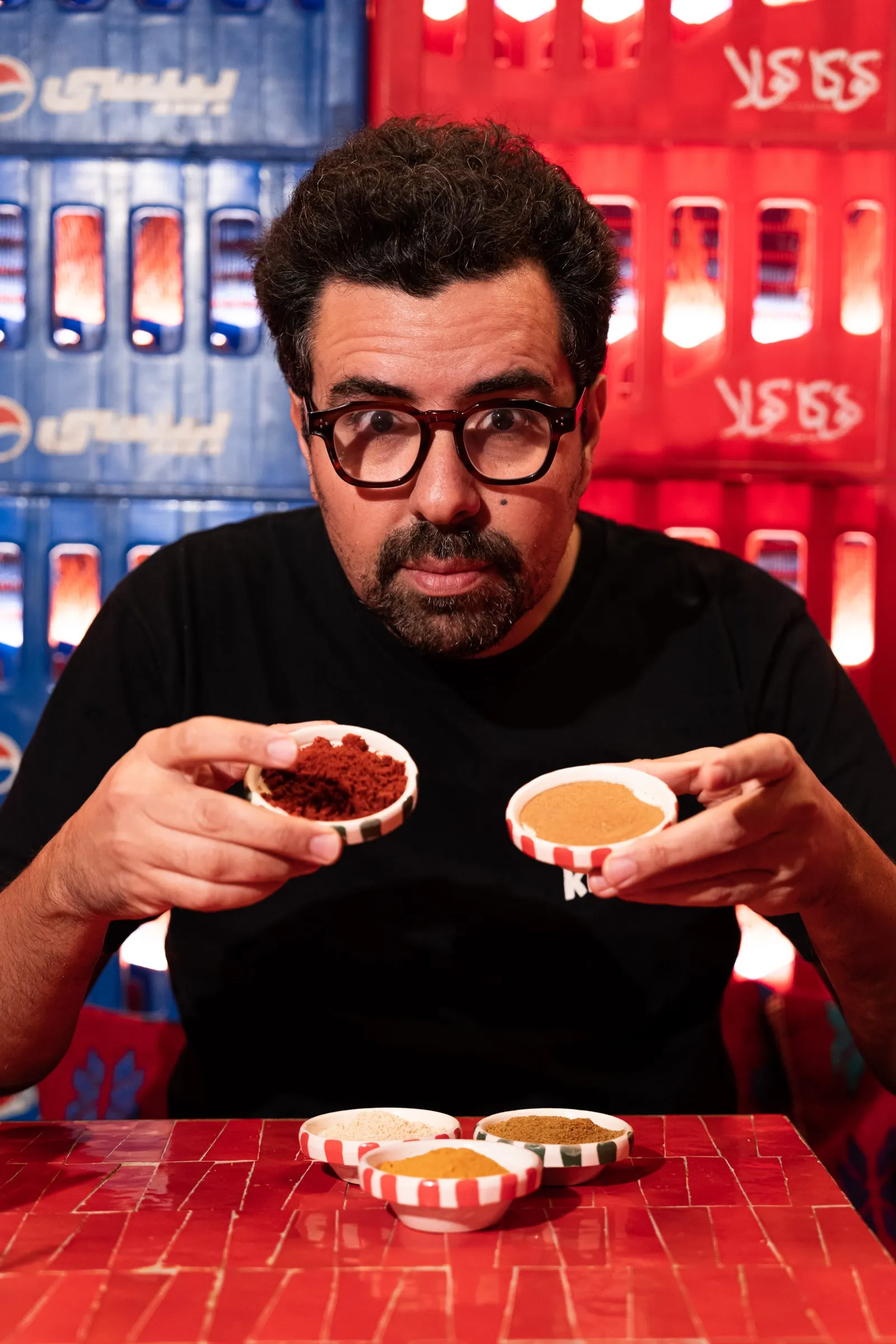
Spices are used to bring depth and balance rather than heat. Cumin, ginger, cinnamon, saffron, turmeric, ras el hanout: each spice plays a precise role in the harmony of the dish. The art lies in the dosage, in the ability to combine seemingly contradictory flavours to create a result of remarkable complexity.
It is this mastery of spices that particularly impresses chefs worldwide and explains their admiration for the complexity of flavours, the richness of culinary heritage and the quality of spice combinations in Moroccan cuisine.
The tajine and couscous: two monuments
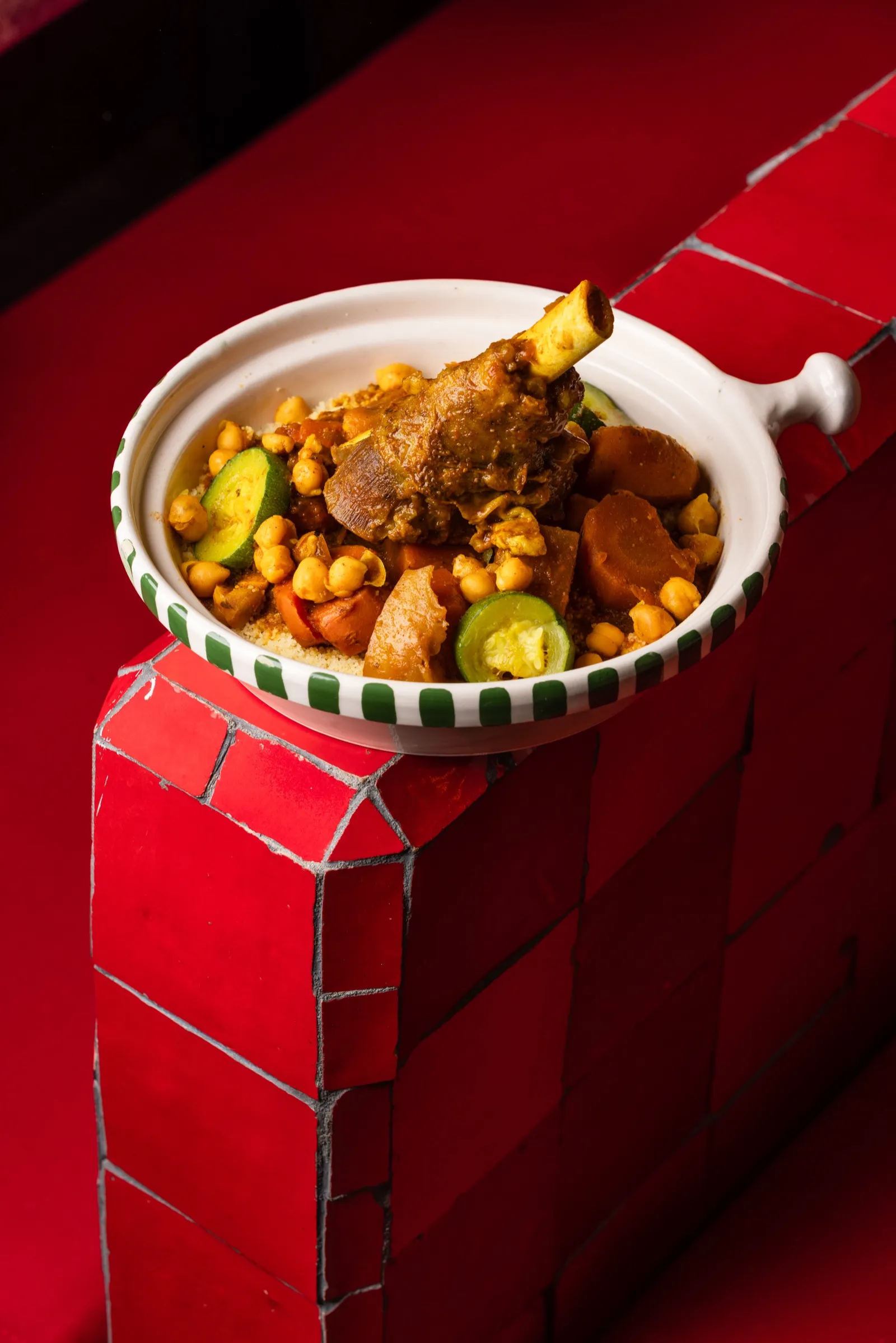
The tajine and couscous are the two pillars of Moroccan cuisine, but they are only the visible part of an immense culinary repertoire. These two dishes perfectly illustrate the Moroccan philosophy: patience in preparation, generosity in portions and balance in flavours.
Transforming simplicity into excellence
One of the most remarkable strengths of Moroccan cuisine is its ability to transform humble ingredients into exceptional dishes. Tomatoes, aubergines and a few spices become a memorable zaalouk. Semolina, vegetables and a patient broth become a couscous that tells the entire story of a country.
Pastry: a world of its own
Moroccan pastry constitutes an entire universe of its own. Cornes de gazelle, chebakia, honey briouates, almond and orange blossom cakes: each pastry is a small jewel of precision and flavour. The use of orange blossom, almonds and honey creates unique taste combinations found nowhere else.
A living cuisine that evolves
What also makes Moroccan cuisine so special is that it is not frozen in the past. It evolves, adapts and reinvents itself while preserving its fundamentals. Young Moroccan chefs bring their creativity while respecting the traditions that make this gastronomy so rich.
Emotion above all
Ultimately, what places Moroccan cuisine among the best in the world is its ability to create emotion. A good couscous can bring back childhood memories. A tajine can transform a simple lunch into a moment of grace. A mint tea can create a bond between two strangers.
At Choukran, it is this emotion that we seek to convey with every service. Because the best cuisine in the world is the one that touches the heart as much as the palate.
FAQ
- Why is Moroccan cuisine so renowned?
- Thanks to its historical richness, the diversity of its recipes, the refined use of spices and its strong roots in the culture of sharing.
- What are the most famous Moroccan dishes?
- Couscous, tajine, pastilla, harira and the various kémias are among the most famous specialities.
- Is Moroccan cuisine spicy?
- It is above all fragrant. Spices are used to bring depth and balance rather than heat.
- Why do chefs appreciate Moroccan cuisine so much?
- For the complexity of its flavours, the richness of its culinary heritage and the quality of its spice combinations.
- What role does sharing play in Moroccan gastronomy?
- A central role. The majority of dishes are designed to be shared and foster togetherness around the table.